Create a case for your performance questions or a 1:1 meeting.
Performance Management: Quarterly Check-ins
A Clearer Rhythm for Feedback, Coaching, and Growth
Beginning in FY27, managers and employees will participate in structured quarterly check-ins throughout the performance cycle. These conversations are designed to strengthen communication, support employee success, and create a more continuous approach to performance management.
Quarterly check-ins provide dedicated time to discuss progress toward goals, address challenges, identify support needs, and align priorities for the months ahead. They also help connect day-to-day performance with the Bison Way Competency Model and prepare employees and managers for a more meaningful year-end review.
Why Quarterly Check-Ins Matter
Regular performance conversations help create:
- Clearer expectations
- More timely feedback
- Stronger coaching and support
- Improved goal alignment
- Better documentation of accomplishments and challenges
- Earlier identification and resolution of issues
- Fewer surprises during the annual performance review
Quarterly check-ins reinforce a culture of continuous growth and shared accountability.
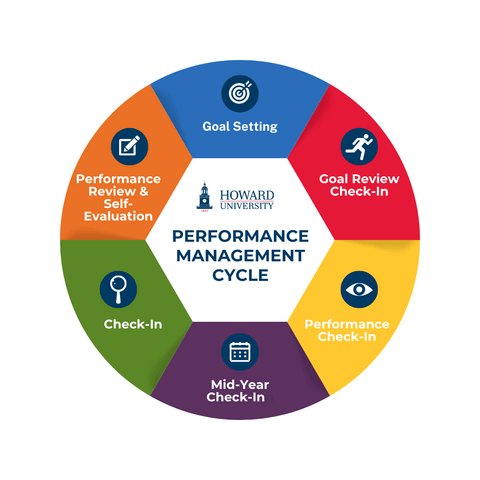
The Check-In Rhythm
Quarter 1: Pace & Support
Focus on establishing momentum and ensuring goals are clear.
Employees and managers should:
- Confirm goals and expectations
- Discuss early progress
- Identify barriers or challenges
- Agree on support and action steps
Quarter 2: Progress & Recalibration
Focus on evaluating progress and adjusting course as needed.
Employees and managers should:
- Complete the formal midpoint review
- Discuss progress and accomplishments
- Adjust goals when priorities shift
- Clarify expectations for the remainder of the year
Quarter 3: Readiness & Development
Focus on preparing for year-end success and future growth.
Employees and managers should:
- Review progress toward goals
- Connect performance to the Bison Way competencies
- Discuss strengths and development opportunities
- Identify priorities and learning goals for the next performance cycle
Role of Employees and Managers
| What Employees Should Do | What Managers Should Do |
|---|---|
| Come prepared with updates and accomplishments | Review goals and performance information before the conversation |
| Share evidence of progress toward goals | Recognize accomplishments and strengths |
| Discuss challenges, resource needs, or changing priorities | Provide timely, specific, and constructive feedback |
| Ask questions and seek feedback | Address concerns early |
| Clarify expectations for the next quarter | Clarify expectations and priorities |
| Complete agreed-upon action items | Identify support and development opportunities |
| Acknowledge the check-in in BisonHub (Workday) when prompted | Document key discussion points and commitments in BisonHub (Workday) |
A Simple Conversation Framework
Look Back
What progress, accomplishments, feedback, or challenges should we discuss?
Align
Are goals and expectations still clear and relevant?
Look Ahead
What should be prioritized next, and what support is needed?
Commit
What actions will each person take before the next check-in?
Frequently Asked Questions
Are quarterly check-ins replacing annual performance reviews?
No. Quarterly check-ins support the annual performance review process by encouraging ongoing feedback and performance conversations throughout the year.
Are quarterly check-ins the same as regular one-on-one meetings?
No. Quarterly check-ins are structured performance conversations focused on goals, progress, feedback, and development. They complement, but do not replace, regular one-on-one discussions between employees and managers.
Will quarterly check-ins be documented?
Yes. Managers and employees will document and acknowledge quarterly check-ins in Workday as part of the performance management process.
How do quarterly check-ins relate to the Bison Way?
Quarterly check-ins provide opportunities for employees and managers to discuss not only what was accomplished, but also how work was accomplished through the Bison Way competencies and behaviors
Important Reminder
Quarterly check-ins support, but do not replace, ongoing coaching, timely feedback, and regular one-on-one conversations throughout the year. Performance management is most effective when employees and managers engage in continuous dialogue about results, behaviors, development, and growth.
RESOURCES